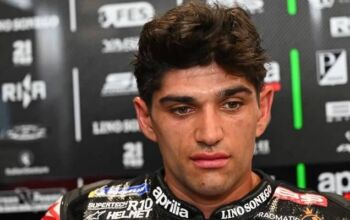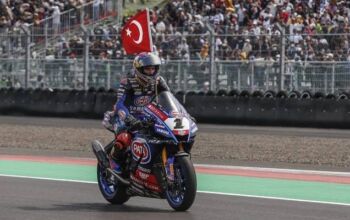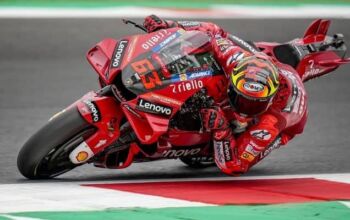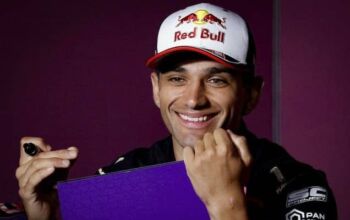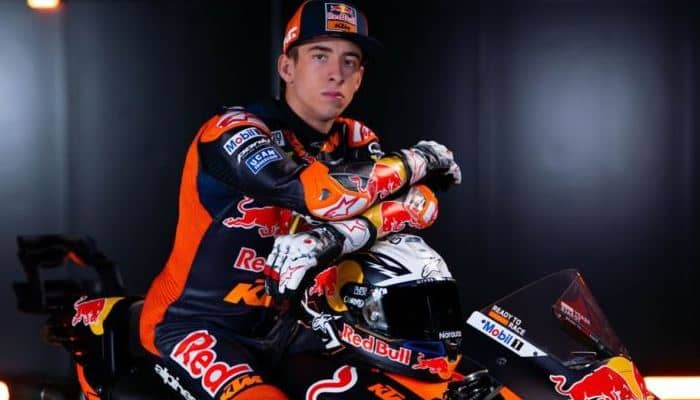
In the high-pressure world of MotoGP, the ticking clock of a rider’s career is relentless, and for a generational talent like Pedro Acosta, every second counts. The Spanish prodigy, who stormed through the junior categories to claim two world titles by the age of 21, is widely seen as the future of the sport. However, after a promising start to his premier class career, his patience with KTM’s lack of competitiveness appears to be wearing dangerously thin.
His recent public comments have shifted sharply from rookie feedback to what many in the paddock are interpreting as a clear warning shot: deliver a winning package, or risk losing your cornerstone asset. This escalating tension has transformed from a private concern into a public ultimatum, creating a high-stakes standoff that will define the future of both the rider and the Austrian manufacturer’s entire MotoGP project.
“I Won’t Wait Forever”: Decoding a Champion’s Frustration
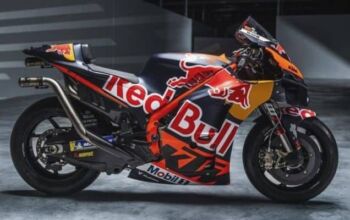
While a sixth-place finish at Silverstone was one of his best results of the season, it was the nature of Pedro Acosta’s post-race comments that set alarm bells ringing at KTM headquarters. He was no longer speaking like a rookie happy to be learning; he was speaking like a champion who expects to be winning. He began with a direct technical critique of his machinery, stating the RC16 simply “lacks the grip of the others,” a fundamental problem for any rider trying to challenge the front-runners. He then pointedly referenced the progress made by rival factories, a clear signal that he is acutely aware of his own bike’s competitive shortcomings.
However, the analysis quickly pivoted from technical feedback to a stark declaration of intent. “I don’t accept this situation, and I don’t have patience,” Acosta stated plainly. This is the language of an elite athlete, not a development rider. The most critical line, a message clearly intended for KTM’s board, was his thinly veiled threat about his future. “Opportunities only come once, and I won’t wait forever to become world champion. I need help from the factory.” By explicitly referencing his contract—”I’ve got another year on my deal, but this week I’ve made it clear: I need help”—Acosta has publicly applied immense pressure on his employer. It’s a classic power play, signaling that while he is contractually bound, his commitment is conditional on the team’s ability to deliver on its promises.
KTM’s Perfect Storm: A Factory Fighting on Multiple Fronts
Acosta’s public discontent comes at a uniquely vulnerable time for KTM, a factory that appears to be battling crises on multiple fronts. The competitive deficit of the RC16 bike is clear for all to see. Despite huge investment, the Austrian machine has struggled to consistently match the performance of its European rivals, particularly Ducati and Aprilia. This on-track struggle is now compounded by a backdrop of corporate and financial uncertainty. The company recently required a massive €600 million financial injection from its Indian stakeholder, Bajaj, to secure its long-term operational viability. While this move staves off immediate financial crisis, it inevitably raises questions within the paddock about the size and security of the future motorsport budget.
Furthermore, KTM’s own leadership has been openly hesitant about committing to the next MotoGP regulatory cycle, which begins in 2027. This long-term uncertainty creates a perception of instability that is poison to a top rider. For Acosta, the situation is alarming. He is tied to a project that is not only struggling for performance in the present but is also sending mixed signals about its commitment to the future. This “perfect storm” of technical, financial, and strategic pressures has created a high-stress environment where a rider’s frustration can easily boil over into a full-blown contractual dispute.
The Gilded Cage: A Contract Without an Escape Clause?
Complicating this tense situation is the nature of Acosta’s contract. The MotoGP paddock has a long memory, and KTM has not forgotten the painful experience of losing a young Jorge Martin to Ducati in 2020. In response to that episode, KTM is understood to have significantly tightened its rider contracts to prevent a repeat. It is almost certain that Acosta’s deal, renewed just a year ago, does not contain the kind of simple performance-related release clause that would allow for an easy exit. He is likely locked into a far more binding agreement, creating a “gilded cage” scenario: he has the status and salary of a factory star, but potentially lacks the freedom to leave if the project doesn’t meet his ambitions.
Interestingly, both Pedro Acosta and Jorge Martin share the same experienced manager, Albert Valera. This adds another layer of intrigue to the chess game. Valera, having navigated one client out of a KTM deal before, is now faced with a much more challenging situation with another. The threat of Acosta leaving is made more credible by reports of genuine interest from other top teams, with VR46 reportedly eager to sign him. This means Acosta’s warnings aren’t just empty words; there are very real, very competitive alternatives waiting for him if a path out of his KTM contract can be found.
A Looming Crossroads for Rider and Team
The relationship between Pedro Acosta and KTM has now reached a critical inflection point. The coming months will be a decisive test for both parties. For KTM, the challenge is clear: they must provide Acosta with tangible proof of progress. This requires more than just promises of future performance; it demands immediate and effective technical upgrades to the RC16 and a clear, unwavering commitment to their MotoGP project for the 2027 era and beyond. They must convince their generational talent that they are not just capable of winning, but that they are fully dedicated to building a championship-winning organization around him.
For Acosta, the path is equally complex. He must weigh the loyalty to the brand that brought him to the premier class against the ruthless ticking clock of his own career. Does he trust in KTM’s ability to turn the ship around, or does he risk a potentially difficult and litigious battle to force an early exit to a more competitive rival? The standoff is a powerful illustration of the delicate balance of power in modern MotoGP. It is a high-stakes test of a manufacturer’s ability to deliver on its ambitions and a young superstar’s willingness to wait for them. The outcome will not only determine Pedro Acosta’s future but could very well define the success or failure of KTM’s entire MotoGP endeavor.