The confirmation that the historic Imola circuit has been omitted from the provisional 2026 Formula 1 calendar has sent a wave of disappointment through the motorsport community. In a move that starkly illustrates the sport’s evolving priorities, the classic Italian venue is set to be replaced by a brand-new street circuit in Madrid. While local officials have acknowledged their “disappointment and bitterness,” they have issued a defiant statement vowing that this “does not represent the end of the story.”
This situation represents more than just a scheduling change; it is the frontline in a larger battle within Formula 1, pitting the rich heritage of its most beloved tracks against the commercial allure of modern, city-based events. This in-depth analysis explores the legacy of Imola, the strategic business decisions driving F1’s expansion, and the challenging path the iconic circuit must navigate to reclaim its place on the world stage.
A Legacy Forged in Triumph and Tragedy
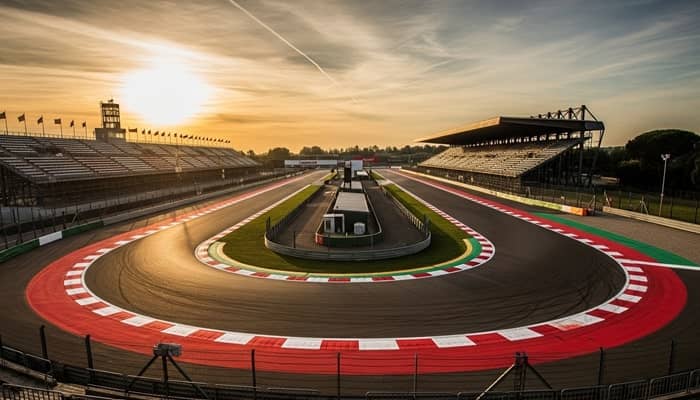
To understand the depth of feeling for Imola, one must appreciate its unique place in motorsport history. Officially named the Autodromo Internazionale Enzo e Dino Ferrari, the circuit is a living monument to Italian racing passion. Its fast, flowing, old-school layout, characterized by challenging high-speed chicanes, unforgiving gravel traps, and significant elevation changes, makes it a true driver’s track. It demands precision and bravery in equal measure, a quality that has earned it the respect and admiration of generations of drivers. The track’s return to the F1 calendar in 2020 amidst the global pandemic was met with widespread acclaim, reminding the world of what a pure, unadulterated racing challenge looks like.
However, Imola’s legacy is also intertwined with tragedy. The 1994 San Marino Grand Prix remains one of the darkest weekends in the sport’s history, claiming the lives of both Roland Ratzenberger and the legendary Ayrton Senna. These events triggered a revolution in Formula 1 safety that continues to this day, forever cementing Imola’s place in the sport’s conscience. This profound history, encompassing moments of both exhilarating glory and deep sorrow, contributes to the powerful emotional connection that fans, drivers, and teams feel for the venue—a connection that makes its absence from the calendar feel particularly poignant.
The Business of F1: Why Historic Tracks Are Under Threat
The decision to drop Imola in favor of Madrid is not an isolated event but rather a clear indicator of Formula 1’s strategic direction under its commercial rights holder, Liberty Media. The modern F1 business model increasingly prioritizes “destination cities” that can offer a week-long entertainment spectacle, attracting a broader, more diverse audience beyond the traditional motorsport fanbase. New events in glamorous locations like Las Vegas, Miami, and now Madrid, often held on street circuits, are designed to be major commercial hubs that generate significant global media attention.
These new venues are often backed by substantial private investment and are capable of paying higher hosting fees, frequently securing long-term contracts that provide financial stability for Formula 1. This presents a formidable challenge for classic European circuits like Imola, many of which rely on regional government funding and operate with tighter financial margins. While these tracks offer unparalleled history and an authentic racing experience, they can struggle to compete with the financial power and modern, all-encompassing “event” package offered by new promoters. F1 CEO Stefano Domenicali, himself an Imola native, acknowledged that “difficult” decisions were necessary, a clear sign that sentiment and history alone are no longer enough to guarantee a spot on the ever-expanding global calendar.
Defiance from Emilia-Romagna: “This Is Not The End”
In response to the 2026 calendar news, officials from the Municipality of Imola and the Emilia-Romagna region issued a joint statement that was both mournful and resolute. Acknowledging that the news “generates questions, disappointment and bitterness,” they emphasized the value the event brought, stating it “was one of the most loved and appreciated by fans and drivers.” They highlighted the unique combination of on-track action with the charm of the surrounding territory as a key strength.
Crucially, the statement looked to the future, making it clear they would not accept the decision passively. “We want to be very clear: this news does not represent the end of the story,” the release declared. In a proactive move, officials confirmed they have already requested the formation of an “Institutional Table” with the Italian government and national sports authorities. The goal of this formal body is “to precisely define the terms, methods of support and collaboration to bring the Grand Prix back to Imola.” This signifies a coordinated political and financial effort to build a compelling case for the circuit’s future inclusion, moving beyond emotional appeals to concrete strategic planning.
The Path Back to the Calendar: What Imola Must Do
While passion and history are powerful assets, Imola’s return to the Formula 1 calendar will depend on a pragmatic and multi-faceted strategy. The fight requires more than just defiance; it demands tangible action and investment. The first and most critical step, already initiated by the local authorities, is securing unwavering and long-term financial backing from the national government. A unified front is essential to compete with the lucrative offers from other prospective hosts.
Secondly, attention must be paid to facility modernization. While the track itself is revered, older circuits often fall short in terms of paddock infrastructure, corporate hospitality suites, and fan zone amenities when compared to state-of-the-art new venues. A clear plan for targeted investment in these areas would significantly strengthen Imola’s proposal. Finally, the circuit must remain flexible and opportunistic. This includes being prepared to step in as a replacement should another event falter—as officials noted, Madrid’s place is still subject to final FIA homologation. Furthermore, positioning Imola as a candidate for a potential European race rotation system could be a viable long-term strategy, ensuring its legacy remains a part of the Formula 1 story, even if not on an annual basis.